
Kershaw County Arrest Warrants Explained
An arrest warrant is a judge's order, backed by probable cause and a sworn statement. In Kershaw County, that review usually falls to a magistrate. The Kershaw Magistrate Court states that magistrates issue arrest and search warrants, set bail, and hold preliminary hearings. A felony case can later move into Circuit Court's General Sessions division. The paperwork rarely lives in one place. The warrant file, case docket, and service return may sit with three different offices. The Kershaw Sheriff's Warrants Division handles public questions about service, while the issuing court controls its own order. A search result alone cannot show that a warrant was served or recalled.
How a Kershaw Magistrate Reviews a Warrant
South Carolina Code §22-5-110 lays out a magistrate's authority over an arrest warrant or courtesy summons. Everything begins with a sworn complaint or affidavit. The judge then weighs whether those facts, in a Kershaw County courtroom, support an order within that court's jurisdiction. The Kershaw Magistrate Court lists arrest and search warrants among its duties. The KCSO FAQ adds a first step. A person who wants to report a matter and seek a warrant must file a report first. That is intake, not an online warrant application. Nor does it guarantee that an order will issue. Read South Carolina Code Title 22, Chapter 5 for the statutory framework those magistrates work under.
Inside a Kershaw County Arrest Warrant
A blank specimen shows the legal and service chain without exposing anyone's data. In Kershaw County it lists the county or municipality, caption, prosecuting agency, offense and code, and the sworn probable-cause narrative. It also carries the issuing-court selection, judicial signature, service certification, and officer return.
| Request | Agency and officer information, sworn facts, and offense or code. |
|---|---|
| Authority | Issuing judge and court, with the command to arrest. |
| Service | Agency or location certification, date, and officer signature. |
| Return | Service result returned to the court; this is not the final case outcome. |
Never publish a filled Kershaw County form. Official specimen fields can hold sensitive identifiers, addresses, driver's-license data, and other personal details.
The Kershaw Warrant Request Is Not Self-Service
You do not decide probable cause. In Kershaw County, the person making a report never issues the order. KCSO's published direction is simple: file a report first. A law-enforcement officer acting officially may submit a warrant request under state law. A judicial officer then reviews the evidence. A private complainant may instead be routed to a courtesy summons where statute allows. Miss that summons appearance, and a later warrant can follow once the statutory conditions are met. These are distinct stages, not one instant web search. For anything about your own case, use the court or sheriff's official contact in Kershaw County, and never send case facts through a general tip form in place of a formal report.
Serving Arrest Warrants in Kershaw County
Issuing and serving are different jobs. The court signs the order; another officer executes it. In Kershaw County, KCSO, Camden Police, Elgin Police, a constable, or another appropriate officer may serve it, depending on the court, the location, and the service certification. South Carolina Rule 30 assigns service duties for bench warrants. Confirm any specific arrest-warrant assignment with the issuing office.
| Office | Role documented locally | Public route |
|---|---|---|
| KCSO | County warrant questions and service | (803) 425-1512 |
| Camden Police | City policing and municipal service coordination | (803) 425-6025 |
| Elgin Police | Town policing and citation enforcement | (803) 438-9917 |
| Bethune / other officers | 911 dispatch lists Bethune Police; direct warrant line not located | Town (843) 334-6238 or KCSO |
Ask whichever Kershaw County agency holds the current service assignment; the county publishes no official roster of individual constables.
Kershaw's Service Certification and Return
The service block tells the real story. "Issued," "served," and "returned unserved" are three different events, and the block records who was expected to act and what happened when the warrant came back. A court can later recall or quash its own order. The case may still continue after an arrest or bond. Ask the issuing court for the docket entry or written order showing current status. If KCSO holds the service record, its written FOIA process can produce a nonexempt copy. The Sheriff's Office cannot recall a court order by itself.
- Issued
- A judge authorized the order.
- Served
- An officer recorded execution of the warrant.
- Returned
- The officer reported the service result to court.
Comparing Arrest, Summons, and Bench Warrants
The trigger tells you which record to ask about. Kershaw County courts see all three types, and they are not interchangeable.
| Process | Why it begins | What to confirm |
|---|---|---|
| Arrest warrant | Sworn request and probable-cause review | Issuing judge, service agency, bond and appearance |
| Courtesy summons | Court notice requiring a later appearance | Due date and whether the notice was served |
| Bench warrant | FTA, failure to comply, or a court order issue | Issuing court, recall path, and next setting |
A search warrant authorizes a search, nothing more. It is not an arrest warrant in Kershaw County or anywhere else. A sealed indictment can also hide details from a public case search before service.
Kershaw County Arrest Warrant and Summons Stages
One local path runs from report, to sworn request, to judge review, to service. A summons is a different order to appear. Miss that appearance and the court may take another step. A bench warrant usually follows a court event instead. That staging explains why an index entry can lag behind a service record in Kershaw County. A sealed document, an active investigation, or a brand-new order may not be publicly visible at all. Call the issuing court or KCSO. Ask which record can be confirmed, and whether public copies exist.
If There's an Arrest Warrant for You
Call first. Reach the issuing court or the KCSO Warrants Division and ask for the case number, the court, the current service status, and the bond or no-bond terms. Get the next appearance date, ask whether counsel can arrange a scheduled surrender, and remember that Kershaw County publishes no universal walk-in surrender window.
Get the court's directions first. Do not assume that a jail visit, fine payment, or web result clears an arrest warrant.
A South Carolina attorney can help. The lawyer can pull the docket, contact the court, and advise on a motion, bond, or appearance. If the court directs surrender, call the Detention Center about booking and current bond-hearing information. The county resolution steps name each Kershaw County office and its confirmation record.
Federal Warrants for Kershaw County Cases
Federal matters from Kershaw County land in Columbia Division 3 of the U.S. District Court for South Carolina. That means a federal arrest warrant never appears on a county warrant list. PACER can surface public docket material, though sealed filings and live service status need confirmation from the federal court or the U.S. Marshals. The Columbia courthouse page gives the court's location and contact details.
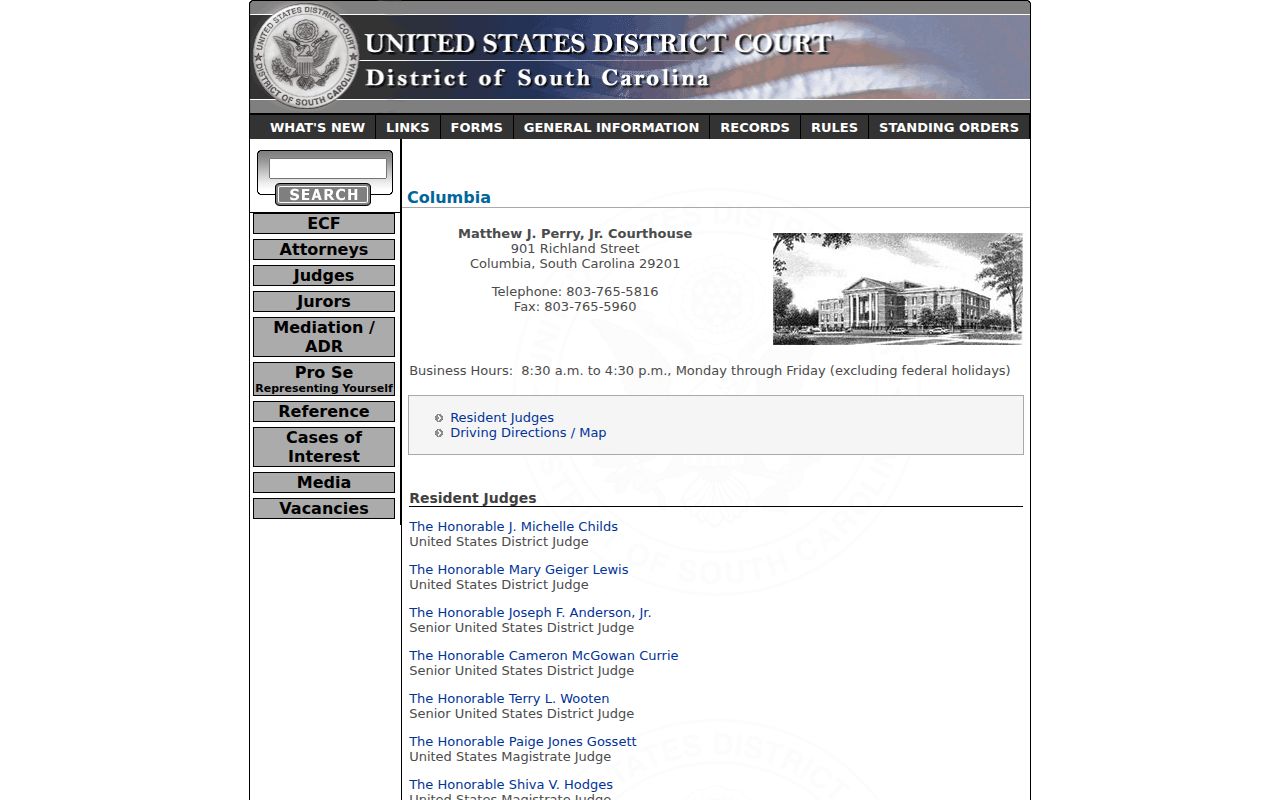
Federal docket material for Kershaw County cases sits behind PACER, which bills by page under a document cap and a quarterly waiver threshold. Check its current fee information before you pull records.
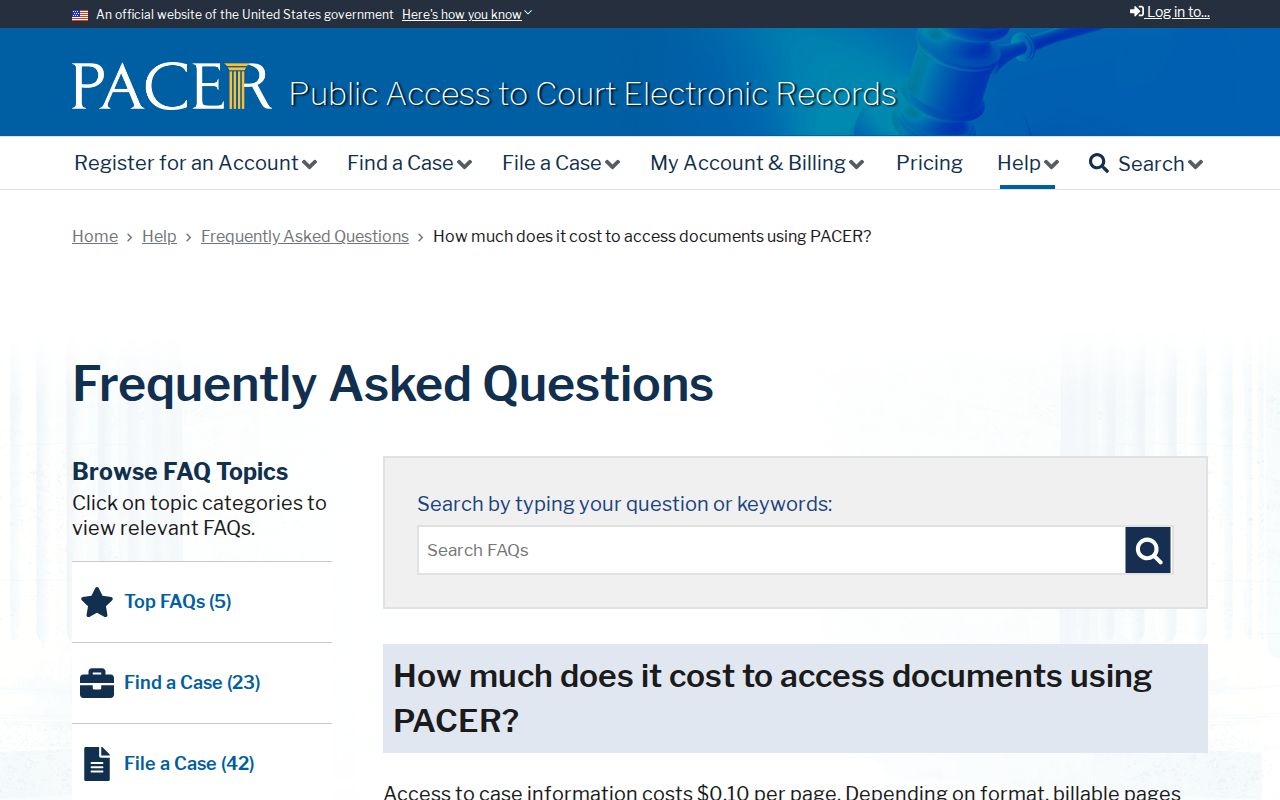
A PACER receipt or docket entry settles nothing about whether a federal warrant tied to Kershaw County is active or cleared. Ask the federal clerk, the USMS, or your counsel.